
Coalition Member Spotlight
Getting Future Teachers Into Rural Classrooms at Missouri State University
This month, we spotlight the Center for Rural Education (CRE) at Missouri State University (MSU), one of the Partnership for Student Success 2026 Community Collaboration Challenge grantees and an active member of the Higher Education Coalition. Here, Lorant Peeler, Program Assistant at the Partnership for Student Success reflects on the work being done by the CRE and the opportunities they offer to MSU students, including a presentation from Dr. Rhonda Bishop and Dr. Denise Cunningham.
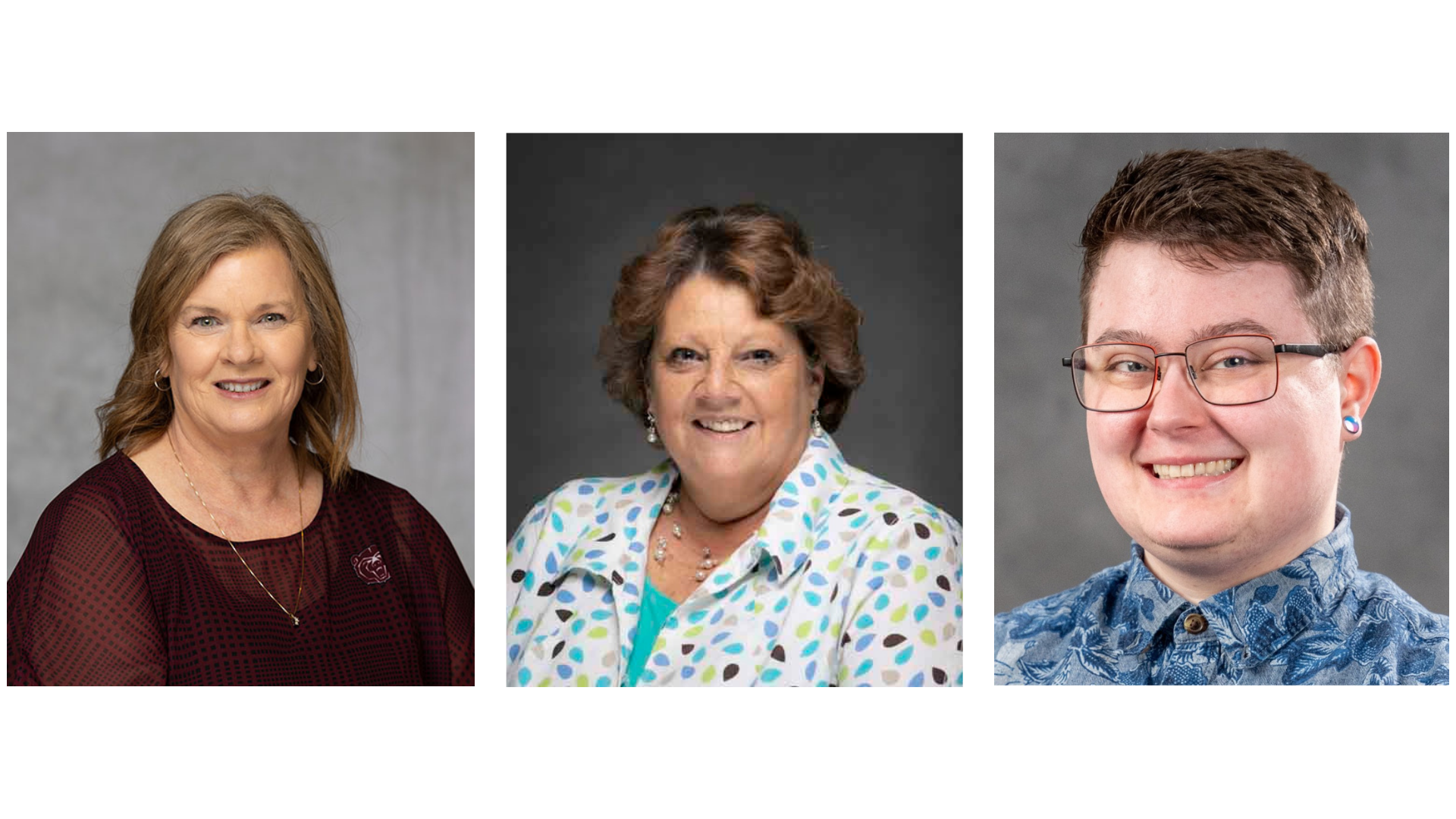
The Missouri State University Center for Rural Education, a part of their School of Education, is a relatively new initiative, and the first program in the state focusing on educating in Missouri rural communities. This comes with an ambitious set of goals: connect rural schools to one another, prepare future teachers to serve in rural classrooms, retain existing rural teachers, and secure funding for research and advocacy for these efforts.
The Center for Rural Education is always looking for innovative, out-of-the-box ways to support students who are interested in entering the teaching profession and to strengthen the rural teacher pipeline. These efforts include creating opportunities for high school students interested in education to spend a week on MSU’s campus exploring the teaching profession through hands-on experiences. Through Missouri State University’s College of Education, the Center also has access to professional development opportunities and connections with educators and professionals across 94 school districts in Southwest Missouri. One of my favorite examples—and one I have referenced often when talking with other Partnership for Student Success members interested in serving rural students—is the Center’s work creating opportunities for preservice teachers to spend meaningful time in rural classrooms.
Most pre-service teachers at Missouri State University do their required practicum hours in Springfield, the city MSU is located in. However, what Dr. Bishop and Dr. Cunningham found was that this was not from a lack of interest from the students in rural placements, but access to them. The two primary barriers were time and transportation. Many of the students the Center for Rural Education works with both attend classes and hold a job that funds their education in the first place, meaning they are limited in their practicum options. Seeking placements outside of the city costs time in both finding them, as they are rarer than practicum opportunities in the city, and in transit to and from school sites multiple times a week. Students with the additional time often still do not have access to their own car, and there are few transportation options available to get them to rural districts.
A solution being piloted by the Center for Rural Education is an intensive summer practicum, with transportation provided by the university. The CRE attained a grant that allows them to pay for vans to get preservice teachers to and from schools in a specific rural district every day over a few weeks in the summer, when classes are not a factor and work schedules are more flexible. Other opportunities the CRE has opened up include allowing students to do their practicum hours in before or after school programs and through activities like tutoring, allowing the students to serve in rural areas when traditional in-class practicums are infeasible.
The staff at the Center for Rural Education are at the front line of developing and sustaining rural-first educators, and their efforts are doing something positive for everyone involved. The young learners at the schools get additional support, the college students get hands-on experience that would be difficult to acquire otherwise, and the teachers get to strengthen their skills as mentors while having more hands to lift the work they would otherwise be doing alone. The institutions benefit, too–Missouri State University gains a reputation for investing in their surrounding communities regardless of distance and the schools now have direct access to potential future employees who are already familiar with their culture and classrooms.
These are the kinds of creative and innovative ways of getting more caring adults into the lives of P-12 students that the Partnership for Student Success is here to support. We are thrilled to be supporting another unique project in the Center for Rural Education’s 2026 Community Collaboration Challenge grant, the results of which will be shared later this year.
If you are interested in learning more about the work being done by the Missouri State University Center for Rural Education, including reflections on the lessons learned across multiple initiatives, watch the talk given by Co-Director Rhonda Bishop and former professor Denise Cunningham during April 2026’s Rural Student Supports Working Group here.

NEWSLETTER
Subscribe To Our Newsletter
Reference to any non-U.S. government organization, event or product does not constitute an endorsement, recommendation or favoring of that organization, event or product and is strictly for the information and convenience of the public.
This website is developed and maintained by the Everyone Graduates Center at Johns Hopkins University for the Partnership for Student Success.
It follows the website privacy policy found here. View the website's accessibility statement here.